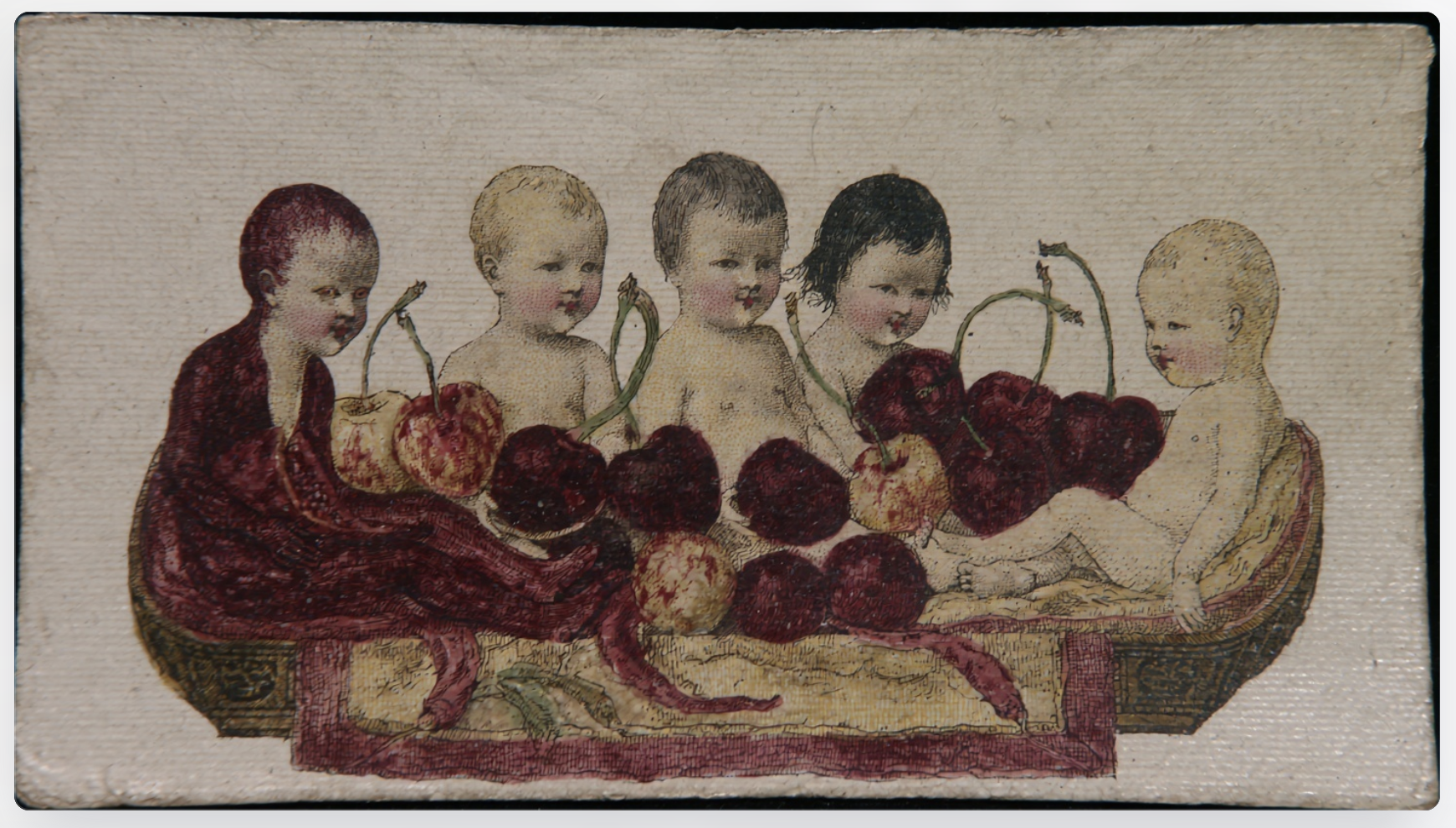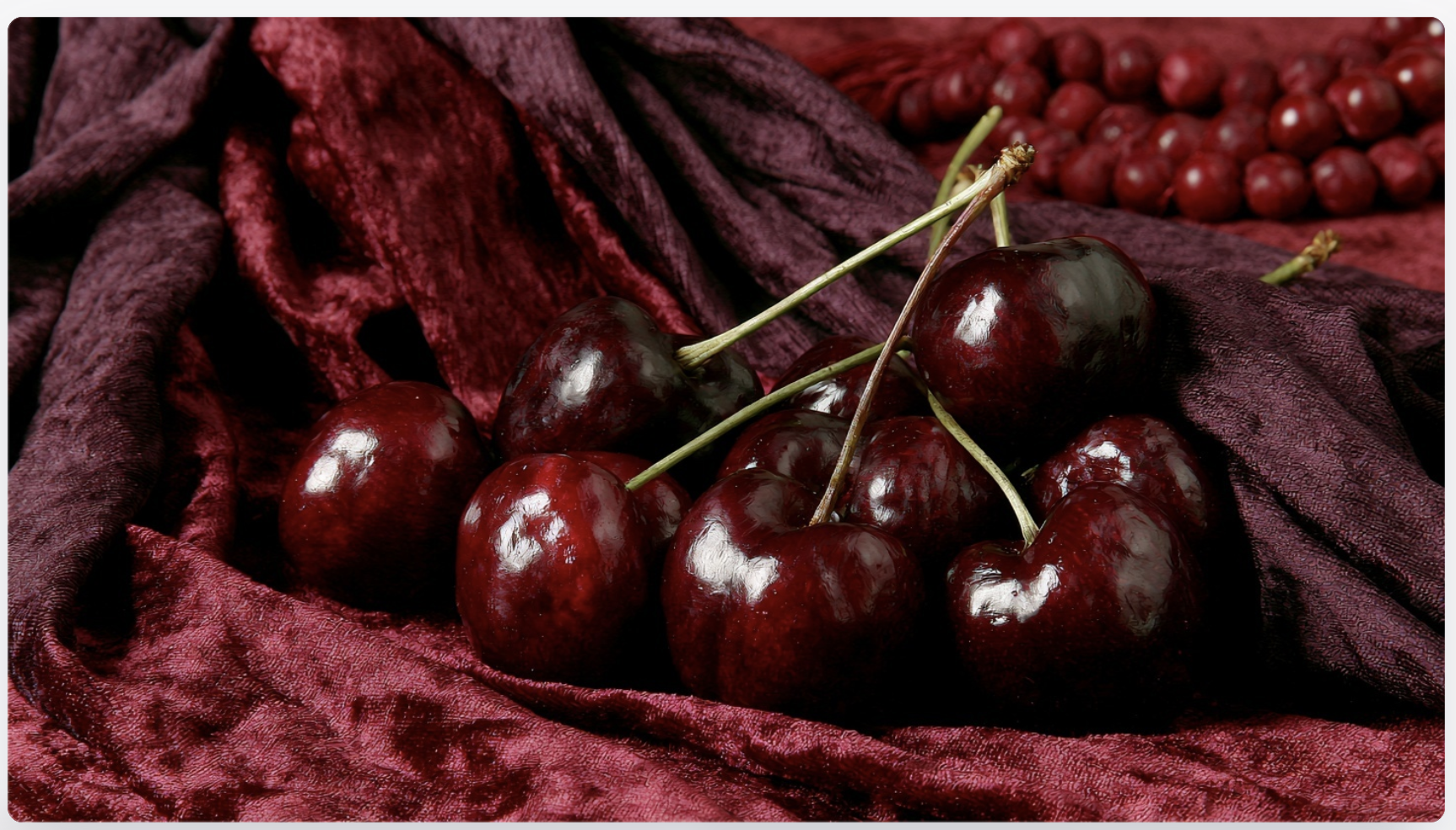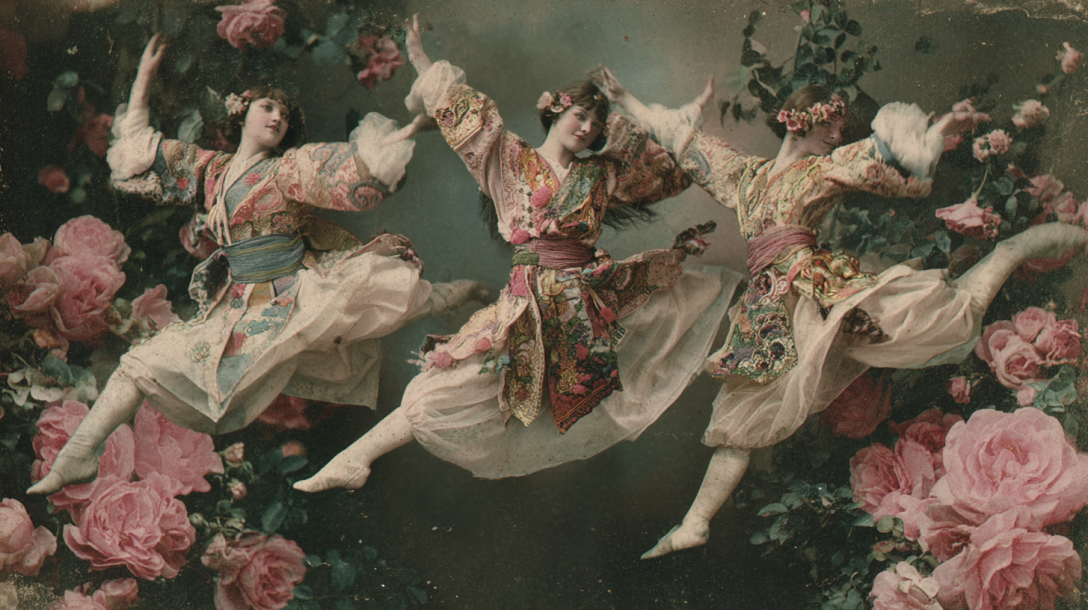
this is AI, look how weirdly the rose on the far right is sitting…I aim to disturb…
O Rose thou art sick: Hell of sick, fire: especially In that fab ‘fit: floribundant, Centiflolial, imbricated, Like those giant bronze lotuses Under antique Buddha statues, Or the most perfect artichoke, Or Roger Daltrey’s hairdo In the early mod days. Verily, the invisible peptide worm, Injected in the night And its sudden howling storm of pure desire
Has found out thy bed Of coral, pearly blush, Variegated, peach, canary, Flame, oxblood, ruby, mauve, Mushroom, crimson, and Even lavender joy! And his dark secret limerence Does (quelle douce ivresse!) my life destroy!
William Blake’s The Sick Rose, versioned by me
How It Started
Long story short: I got stout from stress and age, started Tirzepatide, and something in my brain transformed. It was as if someone turned up the brightness on my olfactory bulb to the extent that all other senses seemed strangely muted. I eat enough but feel fairly indifferent to food. What I crave – desperately, irrationally, manically – is scent. I went from being someone with only a mild interest in perfumes and the idea that I was allergic to them (only to some natural fragrances, it turns out) to being someone with a spreadsheet titled “Perfume Organ” (in homage to des Esseintes, whose very name sounds like “scent”) with 288 entries of fragrances, though most of them are tiny sample vials. The spreadsheet contains everything from luxury fragrances to mysterious oils poured from anonymous aluminum cans in Brooklyn. I make very little distinction between the two.
I had the idea that I don’t actually love rose perfumes all that much, but there are 80 mentions of the word rose on the concordance I kookily had the robot make from my spreadsheet, and it seems I am in possession of about a dozen actual rose perfumes. Perhaps it might be more accurate to say that they, along with all of the others, have possessed me.
The impressions that follow are not in order of preference, partly because the one I know to be my favorite, Enigma of Taif, has gone missing. Wondering why? Perhaps because it is…an enigma. [brief silence while you take that in]
Enigma Aporia
this is totally AI, but aren’t they handsome?
Enigma of Taif: One ought to know what Taif roses are, because…isn’t the word itself just so beautiful? It’s not a straight diphthong in Arabic; there is a little glottal stop between the vowels. Don’t we need more sounds like that in relatively lazy English? As to the luxurious flowers,the Perfume Society informs us:
Enigma of Taif is a newish fragrance (2025) by Swiss Arabian, a house that is known for its beautiful blends. Its note list is luscious to read:
Top notes are elemi, Plum, Pink Pepper, Cardamom and Black Pepper; middle notes are Taif Rose, Saffron, Violet, Olibanum and Osmanthus; base notes are Oak Tree, Amber, Molasses, Labdanum and Vetiver.
All of these components, despite their number and variety, are in service to the rose at the perfume’s center. I’d love to say more about it, but since I can’t seem to find it anywhere, a more detailed impression will have to wait. Suffice it to say, for now, that it just sends me into ecstatic spirals when I sniff it.
Like, Literally, Roses
real photo by me of bodega roses
I started my rose investigation session today with my purest roses:
Bulgarian Rose: this vial was given to me by a Bulgarian poet at the Curtea de Argeş Poetry Nights festival in Romania in 2018. This rose is very literal, a rose I might smell in the bower of my coop garden, a little metallic, a little spicy, decidedly sweet. I imagine the blossoms a pale coral of medium size.
Tea Rose by Perfumer’s Workshop: This one is actually a blend, and an EDP rather than an oil, but to my nose it smells exactly like the rambling, pale pink, tiny tea roses that have gone feral all over Bolinas. It’s lighter than Bulgarian rose, and a little pepper, just like the real things. The note list: Peony and Chamomile; middle notes are Bulgarian Rose, Damask Rose and Tea Rose; base notes are Geranium, Violet Leaves and Cedarwood. Somehow the perfumers managed to convey the lightness of this rose variety with the added notes.
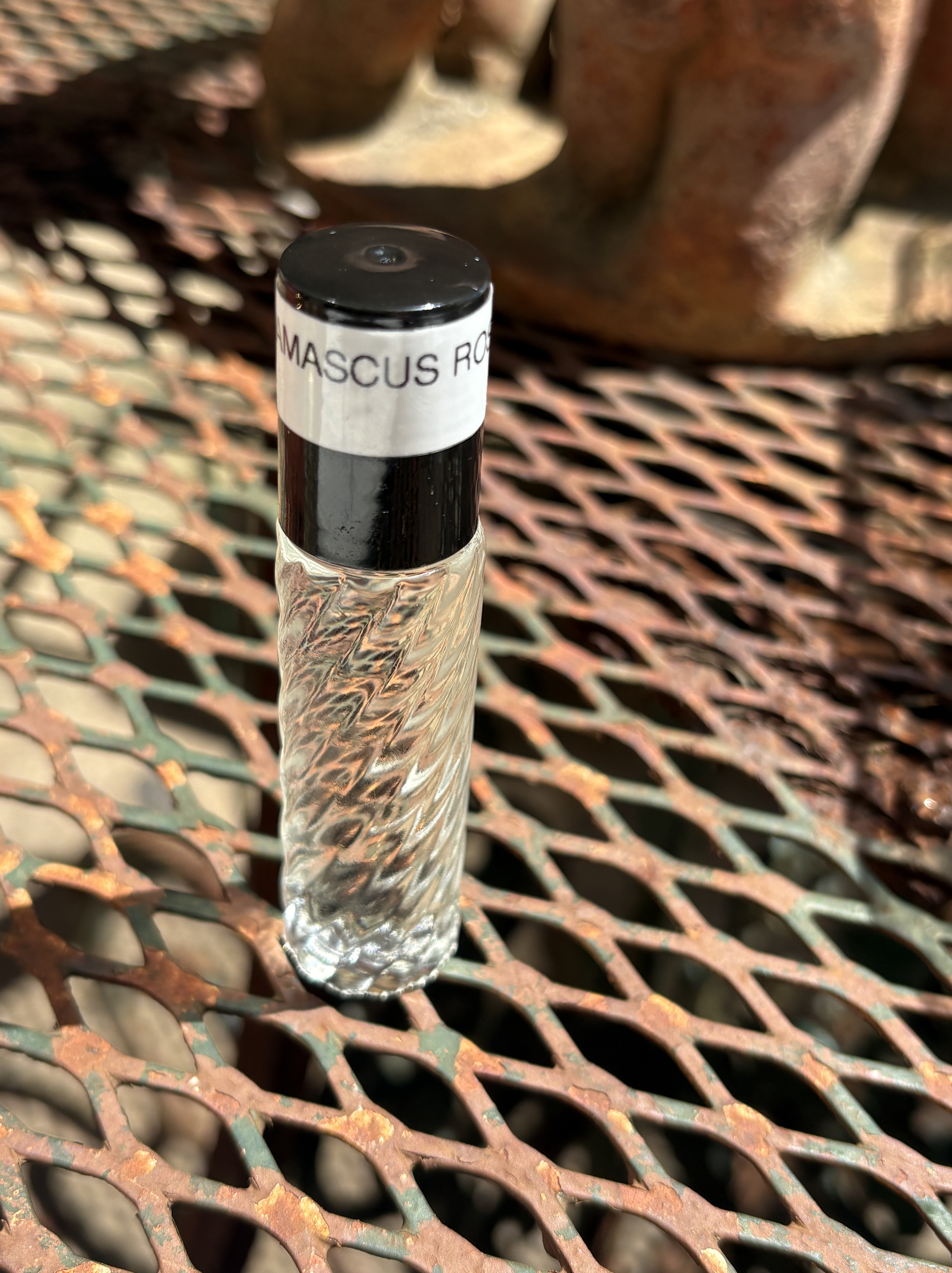
Damascus Rose: This one is unbranded, bought in bulk at Anwaar Co on Atlantic Avenue not too far from Smith St. I must say that I absolutely LOVE shopping here. The fellow behind the counter is congenial, laughs a lot, and is so patient with me wanting to smell absolutely everything. The older gentleman who I believe owns the shop is also lovely; he praised me for preferring oils to alcohol perfumes, and according to the younger guy, he applies the strongest, most barnyard-y oud oil to his garments. We asked him, laughing, if animals follow him around when he did that. Anyway, this oil is GORGEOUS. I don’t know if it is a blend or not. These essences just get poured from aluminum cans, and they certainly are not on Fragrantica. But this rose, I can say, is richer, rounder, sweeter, and jammier than the other roses I have mentioned so far. You will not pay a lot for a little vial of this. Maybe $10-15.
Rose + Oud: The Everly Brothers
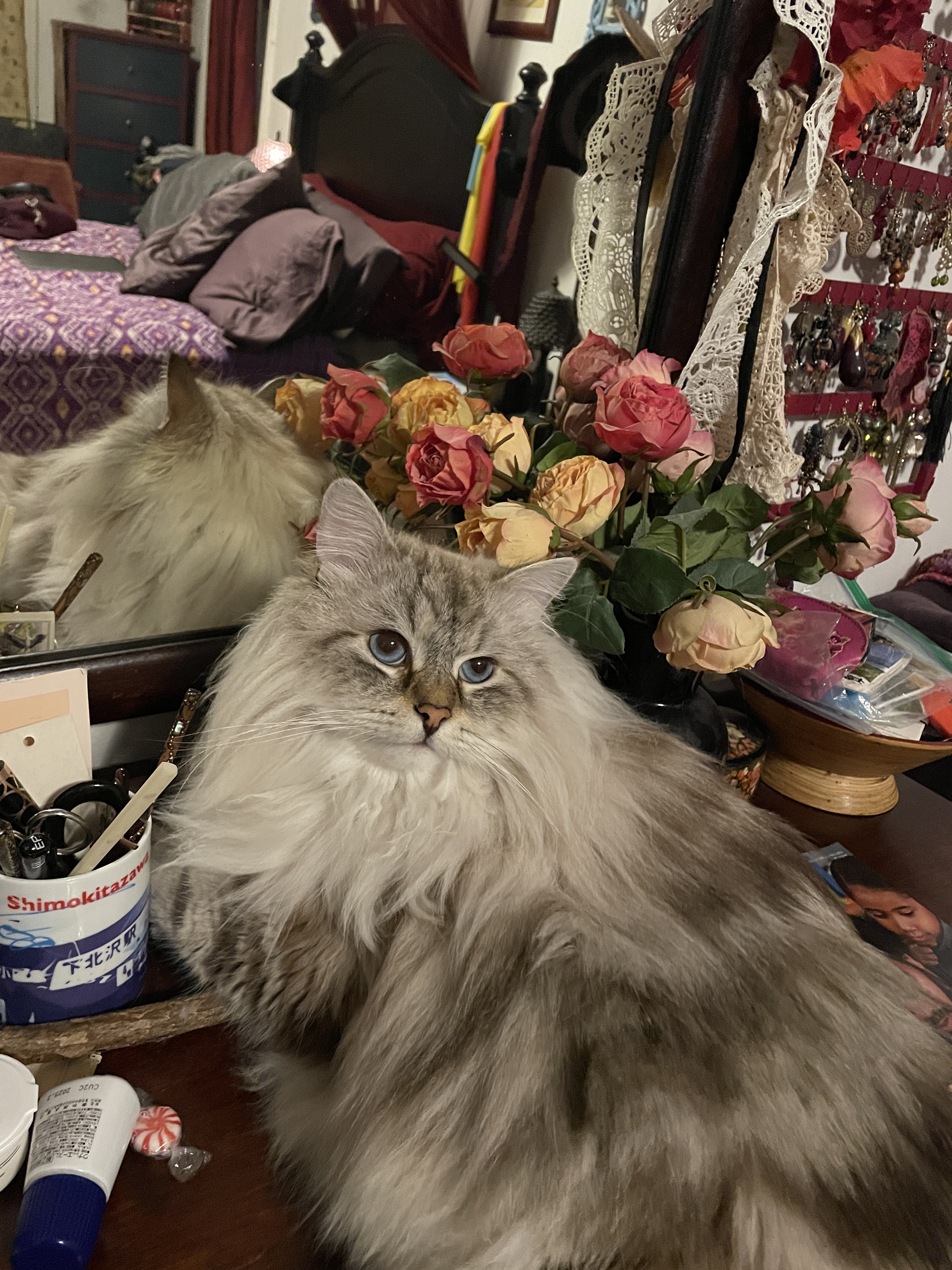
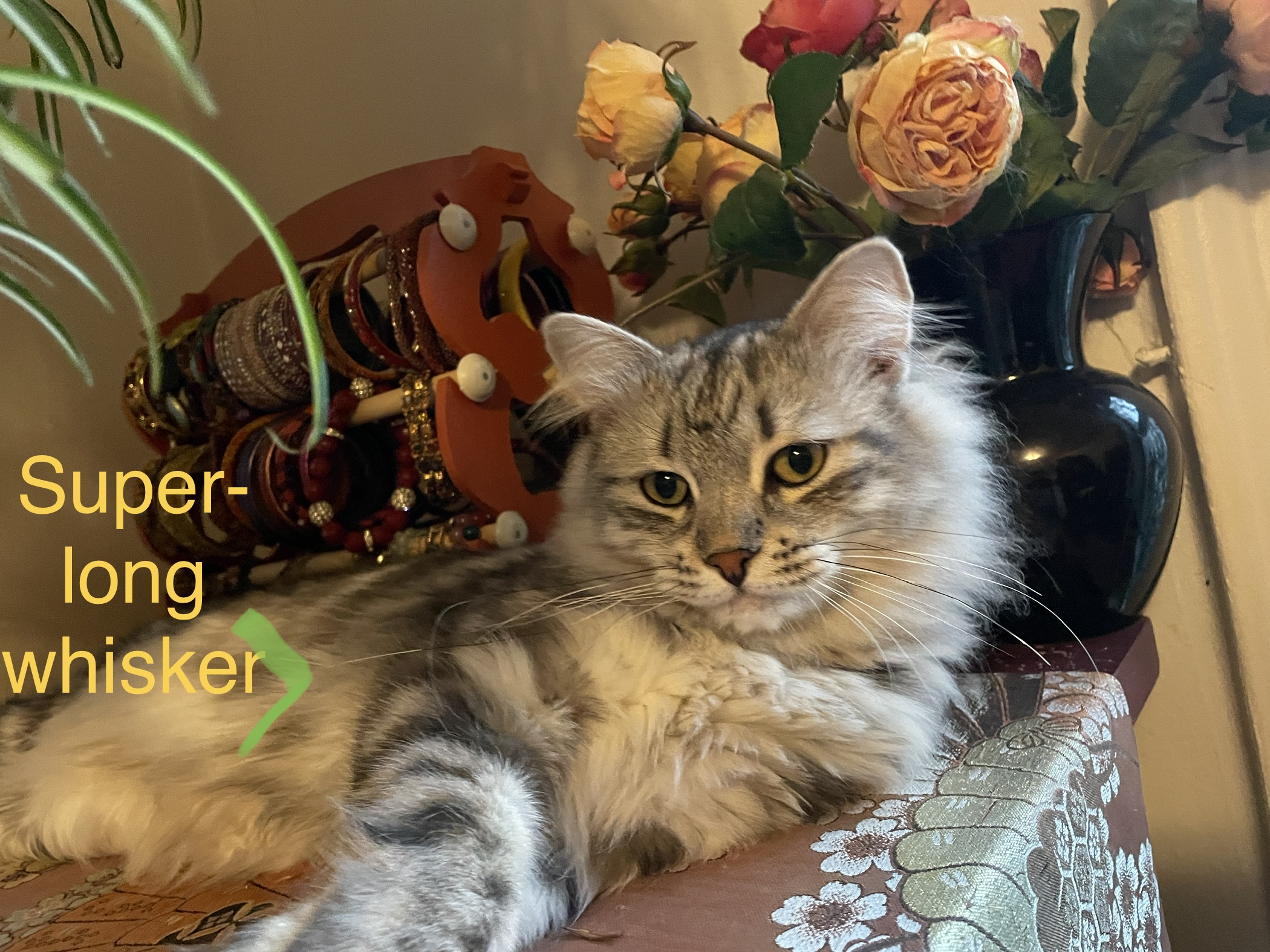
one of my real kitties
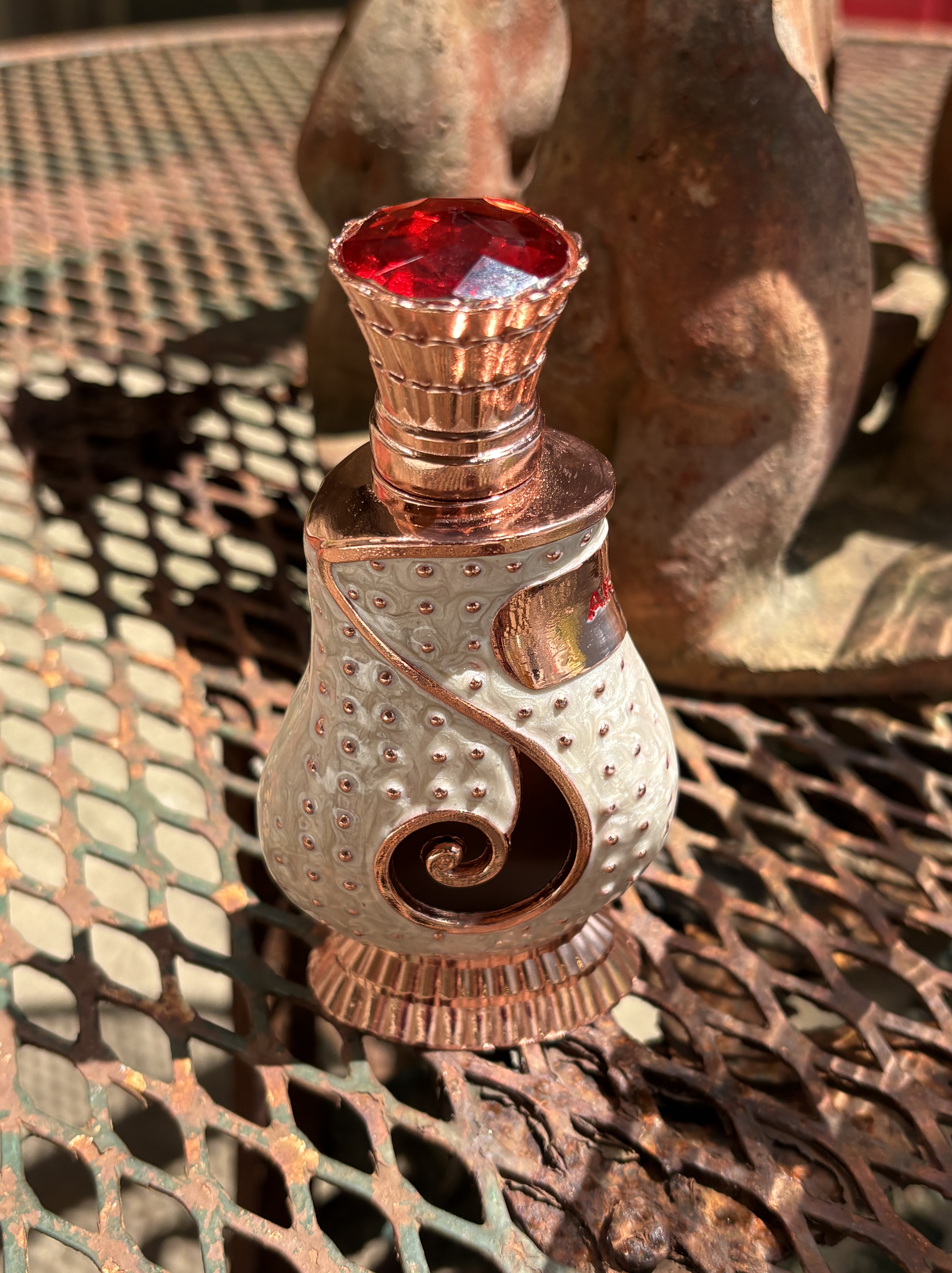
Rose de Ambre [sic] by Al Mahas is a cheap thrill. I paid 9.99 on Amazon for a little roll-on in this cunning round bottle: The published notes are: Rose (Bulgarian and Turkish), oud (Agarwood), vanilla, and violet. Rose and oud together are like John and Paul or, better yet, The Everly Brothers. The oud brings the rose down to earth somehow, into the lower registers. This arrived with the cap broken, which is a bit of a drag, but I can deal with it because it smells so profoundly delicious.
Sahara Rose Absolute by Habibi NYC offers a generous helping of wood and spices with this desert rose. It’s got one of those note pyramids that set off a serious desire mechanism in me: A cool breeze of Armoise, Cinnamon Leaf, Birch, Cardamom, Lavender, and Golden Sugar. Heart: A smoldering core of Taif Rose, Saffron, Plum, Leather, and Cypress. BaseL A sensual, smoky finish of Patchouli, Vanilla, Tonka, Amber, Sandalwood, and Cedarwood.
If you like your rose scents to take you on a journey, this is a beautiful choice. Habibi NYC has a discovery kit that is very worth exploring for $40.
The Glory of Naseem
Arzan, a concentrated perfume oil by Naseem, is one that sends me into ecstasies. I discovered it in a Bangladeshi grocery store in my neighborhood. They let me sniff it but because no one knew the price, I left the shop empty-handed. Luckily, I was able to order it online. Naseem actually has a pretty good USA website and they ship out quickly. The notes: Top Notes: Rose, Red fruits/ Middle Notes: Amber, Vanilla, Sandalwood/ Base Notes: Patchouli, Musk. Maybe it’s the gourmand facets, but this perfume actually makes me salivate, and it’s as if my nose gets welded to my arm when I wear it. The bottle is soooooo pretty, and the sale price is $24.99. I kind of can’t recommend this highly enough.
Zain is another irresistible rose-forward Naseem attar. Here’s their ad copy:
“Zain Attar is a luxurious oriental-woody-musky fragrance that opens with the elegant blend of Turkish rose and vanilla, offering a rich and floral introduction. The heart reveals a beautiful fusion of Bulgarian rose, violet, and oud, adding depth and complexity. The fragrance settles into a warm, resinous base of benzoin, resinoid, white musk, and amber notes, creating a refined, captivating finish that is both comforting and sophisticated.”
They aren’t just bragging. This thing is sublime. The traditional brass bottle alone is worth the $29.99 price tag, at least to me, who fetishizes such things. I’d say that compared to Arzan it is somehow thicker and deeper.
Elsewheres: Olfactory Appropriations
Dopamine Rose by l’Epoque is a fruity crowd-pleaser: Top notes are Raspberry, Rhubarb, Strawberry and Marshmallow; middle notes are Rose, Ozonic notes and Cyclamen; base note is Cashmere Musk. There is something green about this scent, perhaps due to the ozonic notes and cyclamen. It’s lovely and pleasant, but I’m not sure it takes me “elsewhere” enough.
Persian Rose by Pacifica was discontinued and then revived because so many customers clamored for it. I actually don’t love it as much as some of Pacifica’s other scents, like their Amber Cocoa and Sugared Apricot, but it’s still really pretty. Smelling it this round, I seemed to perceive some sort of lemongrass or citrus,and the published notes bear this out: Key Notes: Rose Water, Bulgarian Rose Oil, Violet, Tangerine, Myrrh, Amber. For $22, one could do much worse. If you are less enamored of oudish notes than I am and want to stick to western style fragrances, this one is a good choice.
Lettre de Pushkar (Ella K.), on the other hand, is meant to evoke…Pushkar, Rajasthan, one of India’s oldest and holiest cities renowned for its white edifices. I haven’t been there in real life, though given time and money (please, I need time and money!), it might be one of the first places I’d be inclined to visit. That said, as Fragrantica writer has pointed out [link], the structure of this perfume is western, not Indian. Here are the notes.
The top-note spices greet the nose first, and along with the other ingredients, cradle the rose at the center. The scent feels a tiny bit lactonic, maybe from the vanilla.
I Can’t Really Smell It
many years ago
Portrait of a Lady (Frederick Malle, Louis Malle’s nephew). So much has been written about this perfume, and so much of it is contradictory, that I hardly know where to begin. People think it is a masterpiece, too masculine, for grandmas, too spicy, just a rose perfume, inexpertly reformulated, the most gorgeous perfume ever created, that it may just be a case of, well, you should get a decant and see for yourself what you think. As for me, I don’t know…I barely smell a trace of “something nice.” Anosmia? Skin chemistry? Puzzling indeed … .If I am indeed anosmic to this thing that people mostly praise to the skies, how very tragic!
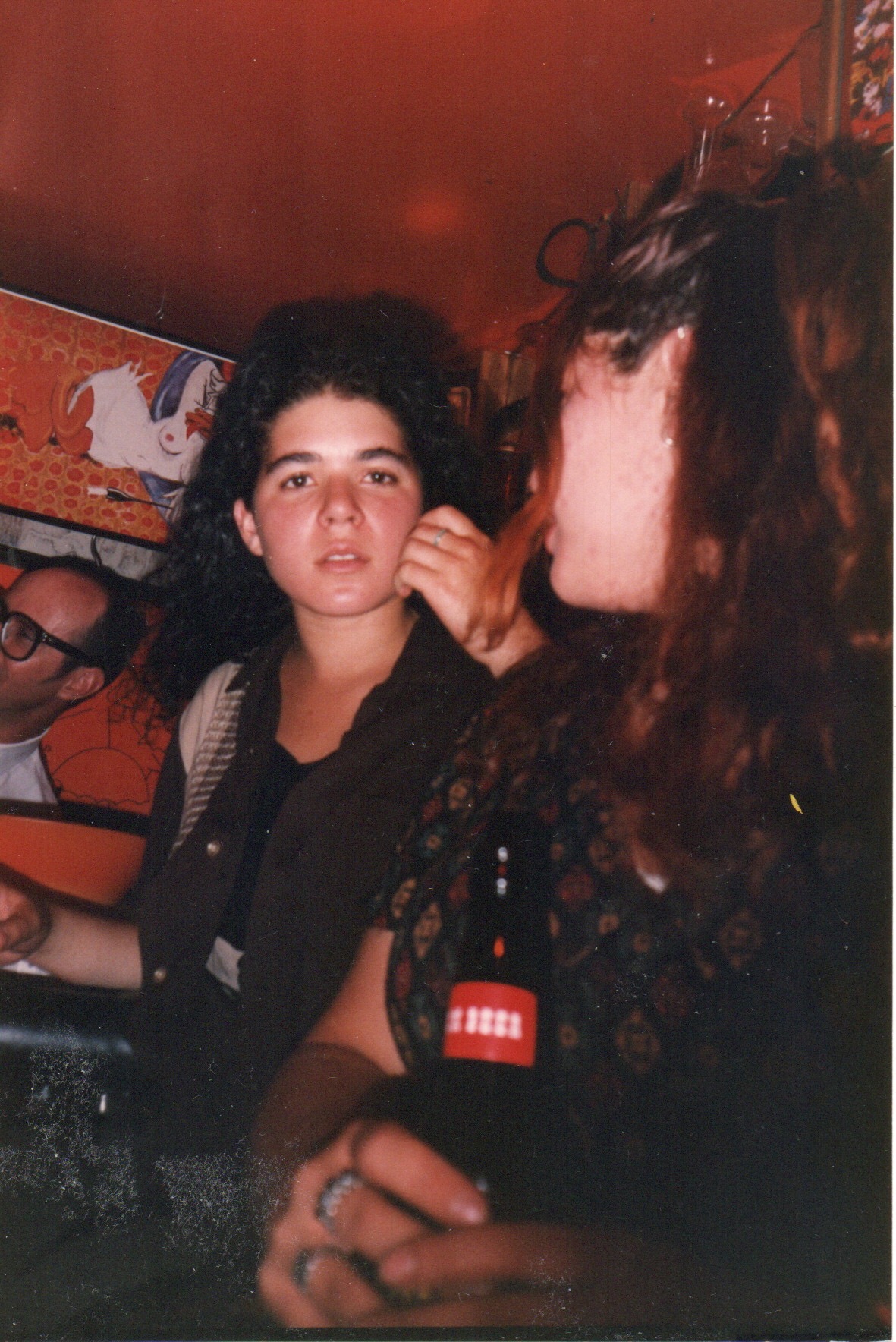
Cole with her dear friend Shiba at Naropa in 1994, on the occasion of my first meeting with her.
I conducted this interview with the late, beloved Cole Heinowitz while she was doing research in Seville in 2001. I had moved to Brooklyn a couple of years earlier, and this interview was intended for Gary Sullivan’s magazine ReadMe. I don’t think it was ever published. I tried to keep my questions simple and anodyne, because I genuinely wanted to know things like her research topic and her genesis and evolution as a writer, but as you will see her trickster brilliance came into play as she made literary works out of her responses.I don’t remember why we stopped the interview when we did, but the date makes me think it was because some buildings were destroyed.
Nada: What, for you, is the value or use of a filtered vocabulary – an ‘armature’? And in what way is it the outward posture of your internal disposition? How would you describe that disposition?
Could you say more about the pact you make with the reader? That is, if you were to put that pact into the form of a direct address, how would it sound? Do you have an ideal reader and if so what are her/his characteristics? What sort of pass would you want that ideal reader to make at your writing?
Describe this urge towards exhibition or confession and how it is made manifest – or encrypted – in your work. What do you think are its motivations?
Cole: I want to get to know the posture of “disclosure to a fault” from the inside in order to expand my emotional repertoire, since even though I sometimes tend to harbor key information in the service of self-protection, I also realize that my attitude is based on a certain lack of belief in the world’s capacities. I have decided to make honesty my temporary new polestar, to see how it goes. If you read it right, this decision says more about what life’s like in Andalucia than I could possibly provide via the gory details of sex and climatology, even were I the world’s most accomplished exhibitionist. As for the risk of my getting too comfortable and slackening the ropes that bind and sustain, not a chance! An organicist honesty as I can best understand it, could only possibly lead to greater and more important discomforts, which I feed on.
Yours in skyrocketing gravity, Cole
Nada: What are you researching in Andalucia?
Cole: In September of 2000, I took myself to the deep south of Spain (Seville, the site where the empire originally launched itself across the Atlantic) under the pretense of conducting dissertation research. My dissertation examines how British and French sentimental literature of the late eighteenth century helped construct the liberal subjectivity we all know (and hate) so well nowadays by borrowing from and perverting Spanish accounts of contact with the “noble savages” of the New World. I’m here studying those original documents (such as the _Cartas relatorias_ of Columbus and Cortés, the _Comentarios reales_ of “el Inca” Garcilaso de la Vega, and the _Brevísima relación de la destruición de las Indias_ by Fray Bartolomé de Las Casas) which the French and British laid hands on in the 1700s. These documents helped fuel the Black Legend of Spanish barbarity toward the peaceful natives which was in turn used to justify the usurpation of power from the flailing Spanish empire in the name of humanity. But the English and the French not only styled themselves the liberators of the poor Indian, in their writings, they posited an a priori identification with Indian civilizations which depicted their commercial takeover as a return to an idealized pre-Columbian state, even going so far as to whiten the color of the Indian’s skin and to modify his social rituals in order to render him more amenable to a European readership.
The late eighteenth century was both the era of Sensibility and of the transformation of the European economy from one based on the possession of land to one based on the possession of markets. My dissertation argues that these two events are fundamentally intertwined, not just historically but ideologically. Sensibility was understood as the nexus of “hidden mechanisms which governed the lives of men,”(1) the understanding and control of which were necessary for the successful operations of the modern state. The idea of the native made possible by increased trans-Atlantic contact helped to develop this notion of the sensible self. Conversely, the global implications of sensibility seemed to hang in the balance of the emerging market imperialism insofar as the latter enterprise was understood either as the violation or the protection of the native man’s natural state. At stake in both the debates over Sensibility and the renovated commercial economics was the relationship between private interest and the larger society: Was the individual essentially amenable to society? Was free trade consistent with the greater good of the state? If not, what changes could be made to bring the two terms into harmony?
With the increasing dissolution of the Spanish colonial empire in South America and the opening of that market to other European influences in the eighteenth century, it became necessary for Britain and France to articulate their difference from their imperial predecessor. Diverging from Las Casas’ pedagogical father-child model of colonial relations, which boded the eventual transfer of power to the “child,” British and French writers found more sensible ways of defining their identity in terms of Spanish America, ranging from Helen Maria Williams’ copenetration of sentiments in which the moral axis of identification outstrips the axis of historical facts (see her romantic epic, _Peru_), to the seemingly enlightened conjugal model whose “promise of ‘eternal love’ stabilizes and veils the actual power relationship among the conjugal partners in Marmontel’s _Les Incas_.”(2) In addition to conducting research, going to classes, and giving lectures, then, I spend a good deal of time reflecting on questions such as: Do these European writings “other” the Latin American or represent him as compatible with—or even part of—the domestic subject? To what extent do these writings define the domestic subject as coterminous with the modern nation, its economy, and its foreign policy? What accounts for these writers’ decision to erase the dominant criollo class of American-born Spaniards from their accounts of contemporary South America and to replace him with a glorified “noble savage,” who was not the American group with whom the contemporary Briton and Frenchman shared cultural contact and commercial interests? Why does the writing of Sensibility borrow from colonial historiography only to reject the traditional definition of colonialism? And finally, what does it mean for post-colonial scholarship that eighteenth-century Europeans rethought their identity by reference to South America, with which their dominant relationship was not colonial but rather one of liberal commerce?
1 Pagden, Anthony, _The Uncertainties of Empire:
Essays in Iberian and Ibero-American Intellectual
History_, Hampshire: Valorium, 1994, p. 4.
2 Zantop, Susan, “Domesticating the Other: European
Colonial Fantasies 1770-1830” in _Encountering the
Other(s):Studies in literature, history, and culture_,
ed. Brinker-Gabler, Gisela, Albany : State University
of New York Press, 1995, p. 279.
Nada: Reading the description of your project made me aware of some cultural images so entrenched in me I should have known to be suspicious of them. One is a sense of old Spain as dark, cruel, and sinister, and of Spaniards as forceful purveyors of ideology, clad in black with high ruffs and severe expressions, full of strategy and often tortuous machinations to increase their power. Little did I know that this notion may well be based on propaganda from French and English sources scrambling to justify their own power grabs!
What I would most like to know is, what drew you to isolate this particular research project out of the welter of possible research projects? I sense that there is some relevant autobiography…
Cole: As to what my life is like here, apart from the dissertation business:
(Background: In the United States, I was worsting ancestral shapnel droppings into bundles, but now I have begun the work of converting these bundles into thongs and bumper stickers. Radio station employees trail the vehicles bearing my bumper stickers in order to give the drivers cash rewards for their patronage; the backs of the drivers’ heads are sweating and cropped in the latitudinal heat. The drivers arrive at the rummage sale where rococo smudge sticks are renegotiated as multi-flavored welfare and the chagrin at the end of life’s noble journey is bartered for a meaningful six-pack. Sarcasm molts, yielding reams of scaly personalities for the natives who, at the end of the sale, are all too predictably melted down for their metal content.)
“The parish acrobats” is perhaps a term too dignified for those going out on the Sevillian street in hopes of finding a glance to substantiate their flaccid antechamber. I am perceived as the opposite of wandering inchoate desires, overvalued, based on a standard of scarcity, and seen to exhume significance from places believed empty. Since there are no other experimental (I use the term with malaise, you know) writers here, they always ask me what I find out there in the uninspiring fray, and when I come back with hands dripping with fresh fish guts and a few hook wounds I vindicate their cultural baggage but still can’t step up to the plate as a valued member because baseball, like big business, only exists here as a negative value. The buying lifestyle of the Sevillano is engineered according to the belief that appearance connotes a known social sphere that can be enjoyed in absentia if one is properly adorned. Valorations of quality lift off from social service, or what the Catholics calls “acts,” and transplant into space, in this way forming a regime, though “mentality” as a term is still surrounded by the half-visible, half-attainable (vislumbrado) halo of education. As you can imagine, laundry occupies a large part of my time.
Immersion in another language directs itself first to the loss of native grammar and sentence order. The words stay with you, excepting an acute blow to the visual cortex and the subsequent loss of all recognizable tenacity. The grammar storage unit keeps the social relations, and is the area most compromised by rhythmic alteration in the manifestation of human character. Vocabulary measures raw intelligence and grammar measures relational intelligence. The people in the living room are not paying any attention to me, and I have been writing this for some time now. But then again, they are not only Andalucians, but scientists, and therefore doubly distinguished by the amount of time they can spend concentrating exclusively on one thing. Eschewing awkwardness credit profiling, they expect that if I don’t want to be on their sofa while they get high I will leave, and they will probably like me more for this.
A bus driver smokes a cigarette in “three,” which means ten, minutes between shifts and no one can fuck with his right to public self assertion. This is the punchline, or cusp, of my rhythmic divergence from this environment: the pointed digression followed by the oblique hit. But trade winds brings us together, and ween me into criolism. There are beaches in Huelva where the literal washes the tone back up. In the American Atlantic, by contrast, decisions smuggle overwhelming tonal concerns into the literal. So the half of my investigations here are into the physical prompts to my renegade tonality. I like to use the phrase “During the age of triumph” as a stance toward my friends, but I have to admit that there is a great generosity in Saint Augustine (who was probably explicating Cervantes) when he says, “but those things which have no significance of their own are interwoven for the sake of things which are significant.” Before such a damned knack for style, even my Judaism pales.
“El que se pica, ajos come”—If you got stung, you must have been eating garlic. If something I said hurt you (since I had no intention of doing so) it must reflect something harsh you think about yourself and which I accidentally triggered. Certitude of the national character of which one partakes at the broad moment of communication can be a serious handicap, though the cultureless envy it. Since I believe this, I have to concede a latter day-cosmopolitan, as opposed to a nationalist or regionalist, vision of expressive functionality. This ideology weds me uncomfortably to the “enlightened” imperialism which stingily imparts liberal humanism to the powerful alone. At Carnavál, which takes place in Cadiz next week I will either go dressed as a joint stock company or the British Navy.
Nada: Tell me about your genesis and evolution as a writer.
Civilization chain gangs triangulate the mountain summit. I am between the abyss and the mountain, on the road. The ambient gentleman is not believable right from the start.
I confirmed this theory with the puffy night nurse as well as the pharmacist: Under very demanding circumstances, inferior genes, those with less concentration on the inside of the cell wall, are ejected by influx from the outside, and left to fend for themselves in the formative body. Once free of their cell, these genes can jump to any other formative body bearing a quorum of characteristics similar to those of the original host body.
This knowledge is useful as a substitute for psychic powers or belief in God when forming a community.
The more advanced/decadent of the inferior genes, however, can jump across bodies using absolutely any line of similitude, from matching sleep cycles to a matching second grade year of broken fibia. My mother is explaining to me how awareness of this intricate matrix renders the fashion focus obsolete, and hence, as I see it then, writing. I accuse her, to no avail, of being a prostelytizer for the lowest common denominator, and yet I win the argument solely because I am a hybrid of inferior and noble genetic material, and this confers, if nothing else, demonstrative power. This winning line: “How did I know then, so well as if it were my very own memory, that you had stolen my diary and hid it away, using it piecemeal to fish in the creek, floating scraps to my sister now and then to raise her IQ score?
I developed a fetish for being disappointed. Sadly, I require a mortal object to penetrate with desire. If it grows, I keep it around and try to shut up long enough for it to get used to the house. Luckily, the offering of food is a petition for solidarity, whether I like it or not, and I am jewish girl. So the soundtrack can’t overwhelm the action.
A tip for screenwriters: It’s ony 25 percent what you say and the rest is your ability to sustain the mood. For those in emotion, the phenomenon of time passing passes final sentence on what’s considered content. Then, at around 15 years old, I started hearing talk of “pluralism in measure.” That’s when I entered my local university and mounted a campaign against the foreign exchange students of the world, who were only alive to add quantity in the absence of quality to the normative youth experience. The campaign was called: “Anticipatory wish-fufillement of the entitled,” with the fine-print call to arms: “New information is being used to cover up the fact that the old information hasn’t been studied properly yet!” Now that I am older, however, I recognize that this operation is a structural business tool (1), to wit, a homing device used in the obstacle training course the executives who will ultimately advance to put into practice the studies on the old information.
I knew a person in the United States who was always in love or—. The Spaniards have one thing up on the Americans: Failure doesn’t cause them to protect themselves. As such, certainly nothing so whimsical as the fear of failure can shut them up. Whereas, the American says: “Everyone I’ve ever dated has made me a better writer. And for that reason, every relationship I’ve ever had has ended.” At the age of 26, I am learning the former tactic by appreciating the dangerous spar coming from inside the opening it has caused. I teach a Spanish person that “cloak and dagger” means “irony” amidst our glancing blows and doggerels of telos. Downside-effect: a loss of appreciation for the arts of protection and self-deployment. Other potential side effects ( applicable to the 0.1% of those surveyed who have always read a tale of worldly doom in the pheonetic progress of vowels): Upon seeing an accent mark, a feeling arises that something potentially revelatory has been omitted from the document.
Okay. I knew a person in the United States who was always in love or capable, oh I don’t—, maybe I was 24. I called it a high-risk value-system. I couldn’t bear to think about that risk, even though I seemed the type of person who was always thinking about it. So I attracted those risk-taking ones. But now the risk comes knocking for me, calling itself familiarity. I did miss it, now that I know what it was. (See what I mean about time passing through the education?) (“:Hello.”) (They spar.)
My life is devoted to the service of making human intercourse more demanding, with a reward system at the end as I see fit; in short, to revamping of the ruined theater. Theatricality is in a shamefully degraded state, serving more to divert and obscure than to clarify and broaden, a pathetically muddy run-off of _Discipline and Punish_. This was perhaps inevitable given theatricality’s foundation upon the intersection of complacent lying and vigorous, nearly sociopathic, hope (2). But I am not interested in the dialectic between degradation and ambition. I only believe that rescuing drama for the nourishment of logic is the surest prenatal footing. In the noblest incarnation of theatricality, when it becomes real, you realize that you don’t have to believe in things for them to be true. Drama is that function that occurs while navegating distance. I incriminate the dramatists not for their falsity but for their insecurity, being the predator that lives in the distance. Symbolism is born of their sense of iniquity. I only help their argot along by feeling guilty for hating them and pretending not to avoid them.
Nonetheless, until recently, I couldn’t work at high levels without something I called faith in people. I don’t remember exactly how people came to occupy this prize position, perhaps it’s just what happens to most women of above-average intelligence: they learn to infallibly legitimize their limitations. Then, further down the road, they are allowed to learn to find one person who exceeds those limitations, and (don’t think I’m happy about this) they call this “falling in love.” Then, just beyond that, they learn to objectify capacity and so not to leave their emotions to chance or hormones, which, like the NASDAQ, dictate faith quotients daily.
You need to get on a road that exceeds good taste in order to pass through perfection (3). Learn to recognize that spot beforehand and get off there. If this isn’t possible, say hello to David Bowie for me. ——– 1) In addition to being a tool of applied business, the study abroad principle is a functional element in hermits, who, in general possess both extreme self-awareness and sufficient independent means to exempt them from convincing, bartering, or the rest of the public desperation sideshow (which, incidentally, ends in joy). House-builders: don’t choose this deck. 2) “Genealogy of theatrical decay,” a soft pass:
The association of belief with creation, and
The intravenous supplantion of self-help with creative standards. Tips for the dramatist: Becoming a successful person should have nothing to do, in the first trimester, with identifying greatness. Give belief back to those aspiring to the world to come. Don’t believe in yourself. Read yourself and learn to base all subsequent actions on the interpretation of your findings.
3) The cultivation of information excess and the creation of ambiguity therefrom is not a potential road, but rather, the corrosion of roads, a sabotage technique used by nearly-urbanized hostiles.
Nada Gordon’s poetry blends humor, whimsy, and an irreverent approach to language with a keen sense of the mundane and the surreal. To write a book of poems in her style, you’ll need to embrace playful experimentation, cultural references, and the ability to make the ordinary feel extraordinary. Gordon’s work is often tied to Flarf, a movement known for its collage-like use of found language, online searches, and randomness, creating unexpected juxtapositions. This guide will walk you through key strategies for channeling her approach.
Chapter 1: Embrace Playfulness and Humor
One of the hallmarks of Nada Gordon’s poetry is her ability to infuse humor into serious subjects. She often turns to the absurd to break down the formal constraints of poetry and language. Here’s how to cultivate that spirit of play:
Step 1: Forget Seriousness (for Now)
Let go of formality: Writing like Nada Gordon requires you to play with words, mix high and low registers, and create unexpected shifts in tone.
Use wordplay and puns: Experiment with multiple meanings, and don’t be afraid to indulge in puns, jokes, and playful deconstructions of clichés.
Exercise:
Pick a mundane object, like a toaster or a pair of socks. Write a poem that anthropomorphizes the object in a humorous way, letting it “speak” about its existence or feelings. Push the absurdity of the situation, turning it into a small narrative or riff on modern life.
Chapter 2: Experiment with Found Language
Nada Gordon is well-known for incorporating found text from the internet, advertisements, song lyrics, and overheard conversations. Flarf poetry uses this technique to create poems that feel chaotic, but oddly unified.
Step 2: Collect and Remix Language
Collect from everywhere: Browse online forums, social media, or random Google searches. Copy snippets of text that catch your eye. These might be quirky, banal, or even nonsensical.
Mix genres: Blend together scientific jargon, pop culture references, and advertising slogans in one poem. Don’t worry if the resulting lines don’t make sense on the surface.
Exercise:
Do a random Google search for an unusual phrase, like “purple rain on a Sunday morning.” Copy the first five sentences from different sources that appear in your search results. Now, write a poem using those fragments as the backbone. Feel free to add your own lines and manipulate the text to create new meanings.
Chapter 3: Find the Beauty in Everyday Life
Gordon often blurs the line between the profound and the trivial, transforming everyday moments into points of reflection or unexpected insight. You don’t need grand themes to write in her style; the ordinary is often enough.
Step 3: Focus on the Mundane, Elevate the Ordinary
Observe everyday scenes: Pay attention to what’s around you—whether it’s your morning commute, a conversation at the grocery store, or scrolling through social media.
Make the mundane magical: Take these ordinary details and use poetic language to transform them. Allow your subject to bend and warp as it moves between reality and the surreal.
Exercise:
Spend a few minutes observing your surroundings, whether indoors or outside. Jot down notes about small, insignificant things—what people are wearing, the sound of traffic, snippets of conversations. Write a poem that transforms these observations into something surreal or dreamlike. Give objects emotions, let inanimate things speak.
Chapter 4: Incorporate Pop Culture and Internet Slang
Nada Gordon’s work often includes cultural references, memes, and internet language. To write like her, embrace the fleeting and evolving language of the web, popular songs, or TV shows.
Step 4: Speak the Language of Now
Use slang and internet phrases: Gordon often pulls from the language of the present moment, incorporating hashtags, slang, and internet culture into her poetry.
Subvert the reference: Use a pop culture reference or meme in a way that adds layers of meaning or shifts the context.
Exercise:
Think of a trending phrase or internet meme (for example, “YOLO” or “I’m just here for the snacks”). Write a poem that includes this phrase but twists its meaning—turning a joke or casual statement into something poignant or reflective.
Chapter 5: Juxtapose High and Low Culture
In Nada Gordon’s work, high and low culture often sit side by side, creating a layered effect. Classical references might collide with pop music lyrics, or philosophical musings could be interrupted by slang or everyday language.
Step 5: Mix Worlds, Break Hierarchies
Blend references: Use literary or philosophical references alongside more casual or contemporary language. Let the tension between these elements create an unexpected resonance.
Don’t resolve the clash: Part of the charm of Nada Gordon’s style is the unresolved tension between high and low. Allow your poem to feel fragmented or disjointed rather than seeking resolution.
Exercise:
Write a poem that references both something “high” (e.g., Greek mythology, Shakespeare, or classical music) and something “low” (e.g., reality TV, fast food, or viral TikTok trends). Don’t worry about making these elements fit together seamlessly—let them exist in an awkward, playful relationship.
Chapter 6: Embrace Fluidity and Non-Linear Narrative
Nada Gordon’s poems often defy traditional narrative structures. Instead of telling a straightforward story, they weave between ideas, images, and voices in a fluid, almost dreamlike manner.
Step 6: Break Free from Linear Storytelling
Let your mind wander: Don’t be afraid to jump between ideas or images without clear transitions. Trust the reader to follow along, even if the logic is strange or fragmented.
Use collage-like structure: Think of your poem as a collage of different voices, images, and snippets of language that come together to create a larger impression.
Exercise:
Write a poem that jumps between at least three different ideas or scenes. For instance, start with a reflection on your breakfast, then shift to a memory from your childhood, and finally, end with a random internet search. Allow these elements to remain distinct, yet part of the same piece.
Chapter 7: Avoid Overly Personal “I” Statements
Nada Gordon’s work doesn’t dwell heavily on the personal, introspective “I” in the way that some confessional poets might. Instead, her speaker is often playful, detached, or even ironic, avoiding direct emotional expression.
Step 7: Distance Yourself from the Speaker
Avoid direct confessions: Steer clear of overly personal or sentimental expressions. If you want to express emotion, do so through indirection, humor, or surrealism.
Let the world speak: Focus on external observations, dialogue, or fragmented images rather than personal introspection.
Exercise:
Write a poem where the speaker is not a central, confessional “I.” Instead, have objects, animals, or other characters speak. Let the “I” exist as a distant observer, if at all.
Conclusion: Finding Your Voice Through Gordon’s Playfulness
Writing a book of poems in the style of Nada Gordon requires an embrace of the whimsical, the fragmented, and the playful. By blending found language, cultural references, humor, and surreal twists on the everyday, you can create poems that feel lively and unexpected. Remember, Nada Gordon’s style thrives on breaking rules, so feel free to experiment, improvise, and let your poems surprise both you and your readers.
In honor of the passing of Bernadette, I’m uploading my Masters’ thesis from 1986. The chapter on Midwinter Day is missing…I will have to find it and add it as a separate file. Thanks to Gary Sullivan for typing this over twenty years ago, and for hosting it on the now defunct ReadMe magazine. May Bernadette rest in the most sublime peace.
There is no I in Birth
A mass of bone and teeth pushing HARD
against the “miracle of birth.”
Against forced breeding of human monsters
against their will! A groaning sound…
and a small sinus resembling an anus
and hairy, cheesy material…unfolds in the wet darkness
Are you listening, your honors?
At least, don’t force people do it
Brett M. Craven Maw
could drink a beer, since he likes beer
Cover judges with vernix!
don’t let them out until their nipples leak
Energy collected from the wails and moans coils around
episiotomies, fever, tiredness, and low or sad moods
Even normal gestation is…! You know…
fetiform things – parasitic neoplasms…
Fetuses looking like aliens, like kiwis,
from their giant unblinking eyes
If we absolutely must perpetuate our species…wait ¬–
In 2009 a British man “gave birth”
In a seven-month-old infant! – a parasitic mass
in pluripotent cells teeming with information…
In the abdomen of a teenager, the ideology of
John Roberts/Clarence Thomas – TWO two-first namers –
Joseph Halitosis, Jr.
Let the robots do it!
Let them eat meconium!
like a heart in the mouth
like a sprouting bean or seahorse
like peanuts, like jellybeans,
like really old dried-up old people
like toy goats about four inches long
made of a variety of foreign tissues
Neil M. Gorsuchanasshole
No more ectopic pregnancies,
No more hair loss and weight gain: Let the robots do it!
No more hyperemesis gravidarium
No more preeclampsia or gestational diabetes –
Not to be trusted, the slimy poison tentacle arm of the bought judicial
not to mention Amy Coney Island Barrett Watten of the Mindless!
O blue-eyed judges? Think a moment
of mothers carrying fetuses with giant black eyes
on the sides of their giant heads
Or let’s reimagine the species in CGI, staring into darkness
or like a pinkas mekufal, a folded notebook coming
out of his abdomen!
Roll them into a mass of hairy cheesy material
Rub placenta in their powdered wigs!
Stuff them back into the womby windbag of judges,
Subpar Court of the disunited Hates? Observe
that tiny tail that never wags before it disappears into
the colostrum of compassionate intelligence!
Then ask them to let the robots do it.
There are many usual poems
that stare with their blank eyes into the wet darkness!
Think of all the weird things that can happen:
This will not be one of them, signalling
to its own undeveloped twin – it pushed its way, but
we can do that now! Can’t we? Or can we not?
What do you think of bodily integrity now?
Why can’t robots have the babies for us?
Why no techno-solution yet? O look, a fetus in a fetus!
with a tiny tail, a well-formed ankle and foot!
with copious hair, and delicate legs, and shrimpy genitals!
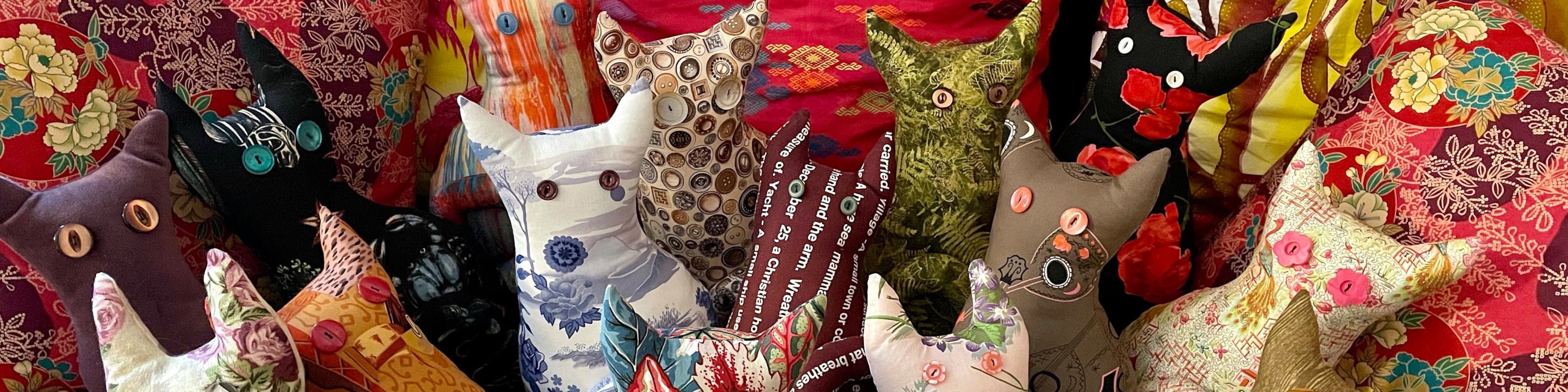
Some of the cats pictured here have gone to new homes, but a few are still available. Please like my shop and check for updates; I’ll be adding new cats in time for the holidays.